|
|
 The confrontation of parasites, illnesses and weeds at the organic cultivation of vine becomes as follows: The confrontation of parasites, illnesses and weeds at the organic cultivation of vine becomes as follows:
- Choice of suitable types,
- Choice of suitable varieties
- Mechanic culture of land,
- Protection of natural enemies of parasites through the maintenance of clumps of plants, the points where find shelter the beneficial parasites, and spread of beneficial snatcher and the destruction of weeds with burn.
|
|
 More information about organic cultivation: More information about organic cultivation:
- Full-text papers in electronic form together with bibliographic information, abstracts and other metadata in Organic Eprints
- References about Organic Agriculture in the website of Research Institute of Organic Agriculture FiBL
- Special reviews in Organic Agriculture in the website of Organic Farming Research Foundation
- An Abstracts Database on scientific research on organic agriculture and other information relevant to organic farming research in organic-research.com
|
|
|
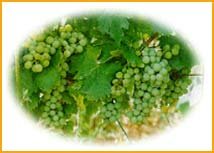 The production of stum and wine begins at the moment the product (grape) enters in the spaces of process (wine-press). The production of stum and wine begins at the moment the product (grape) enters in the spaces of process (wine-press).
At the elision of grape, the elements that it should be recorded are:
1. The weight of grapes
2. Degree of sugar, acidity and pH,
3. Product's sanitary condition
4. Prevailing whether conditions.
In the cellar, "organic" suggests minimal processing and no use of chemical additives. Organic wine makers pay particular attention to three factors: The need for cultured yeasts in organic winemaking is reduced by the farming practice itself, for wild yeasts remain present, not having been eliminated by weed killers and insecticides. Therefore their use is limited to difficult weather conditions which would threaten the harvest. The physical treatment of the wine (like filtering and fining) is kept to a minimum. However temperature control during the winemaking process is well in use.
Minimizing the use of sulfur dioxide as an antioxidant is stringently observed. It's extremely difficult to make a wine that will keep well without adding at least some additional sulfites to those naturally produced. This is particularly true of white wines, which ferment apart from grape skins. Red wines ferment with juice and skins together, providing them not only with their color but with tannin,anatural preservative.
|
|

click to see the organic producers of our network
Analytic information about the places of processing, packing and marketing in Western Greece is presented in Organic Market
|
|